
Bouclé vs Linen: Which Fabric to Buy in 2026?
Updated: Sep 16
This post contains affiliate links. As an Amazon Associate I earn from qualifying purchases. If you purchase through these links, I may earn a small commission at no extra cost to you.
Linen is the better everyday upholstery fabric for most homes in 2026, especially for allergy sufferers, households with cats, and anyone furnishing a Japandi or warm minimalist interior. Bouclé wins on softness, sculptural presence, and pure trend appeal. No fabric photographs better on a curved accent chair. My honest advice: buy linen for the pieces you sit on daily (sofa, bed) and bouclé for the one statement piece you want the room built around. Two quick tests will settle most doubts before you spend anything. The crush test for linen: squeeze the fabric in your fist, and real linen wrinkles instantly while polyester "linen-look" springs back smooth. The snag test for bouclé: drag a key gently across a swatch corner, and if loops pull on first contact, that chair will not survive a cat.

My sofa is linen. It has been for two years now, the Sven from Article in natural linen, the same one I recommend in my guide to the best furniture stores in the US. Two years of daily use, one apartment move, and more spilled coffee than I want to put in writing. It looks better today than the day it arrived.
Bouclé spent those same two years staring at me from every corner of the internet. Every curved accent chair, every "2026 living room refresh," every interior the algorithm decided I needed to see. Cream, looped, cloud-like, daring me to touch it. So before writing this, I did what I always do before recommending anything: I tested it the way a buyer would. I ordered swatches, sat on showroom pieces, poked and snagged things I probably should not have, and inspected two friends' bouclé chairs in more detail than they were comfortable with.
This is the bouclé vs linen comparison I wish I had before choosing my own sofa fabric. Not "both are lovely." Which one survives real life, with pets, kids, allergies, and spills, and which interior each one actually belongs in.
Quick Verdict: Which Fabric for Which Person
Choose linen if any of this sounds like your home: allergies or asthma, a cat with claws, kids under ten, a Japandi or warm minimalist interior, or a piece that gets sat on every single day.
Choose bouclé if this does: you want one sculptural statement piece rather than everyday seating, your interior leans toward curved organic shapes, the piece will live in a low-traffic corner, and your pets are either clawless or banned from the good chair.
Still building the room around the piece? My best places to buy living room furniture guide covers where to find both fabrics at every budget.

What Is Bouclé, and Why Is It Everywhere in 2026
Bouclé takes its name from the French boucler, to curl. The fabric is woven from looped yarn, and those loops are the whole point. They create that dense, nubby, sheep-like texture that reads as instantly cozy and photographs like a cloud. The original icon is Eero Saarinen's 1948 Womb Chair, which is why bouclé carries a mid-century pedigree despite feeling brand new.
There are two things about modern bouclé that the trend photos never mention. First, the fiber. Classic bouclé was wool, but the bouclé on most accent chairs sold in the US today, including nearly everything on Amazon, is polyester or a poly-blend. That is not automatically bad, since polyester handles moisture better than wool, but it changes the allergy picture and the cleaning rules. I get into both below. Second, the loops that make bouclé beautiful are also where it fails. Every loop is a snag waiting for a claw, a zipper, or a toddler's velcro shoe.
As for why it is peaking now: the dominant furniture direction in 2026 is curved and sculptural. Rounded sofas, barrel chairs, soft volumes. No fabric flatters a curve like bouclé, because the texture catches light across a rounded silhouette in a way flat weaves simply cannot.
What Is Linen, and Why It Never Left
Linen is woven from flax, and it is one of the oldest upholstery textiles still in daily use. There is a reason for that. Flax fibers run longer and stronger than cotton, so a quality linen weave outlasts most fabrics at its price. It breathes, it wicks moisture, and it ages in the right direction. Linen softens and relaxes over time. The industry calls this "lived-in character." I call it the reason my two-year-old sofa looks intentional rather than tired.
The trade-offs are just as real. Linen wrinkles: always, immediately, permanently. You either love this or you do not, and you should know which before buying. Untreated linen drinks stains, and pure flax fades in direct sunlight. For real households, the practical middle path is a linen blend or a slipcovered piece, because removable covers turn linen's washability into its biggest advantage.
One buying warning. Amazon is full of "linen-look" polyester sold at linen-adjacent prices. The crush test exposes it in three seconds. Grab a handful and squeeze. Real linen holds the wrinkle. Polyester bounces back smooth. If you cannot test in person, read the fiber content line, not the product title. Better yet, order a linen swatch booklet first and run both tests at your kitchen table before you commit to anything bigger.

Bouclé vs Linen: The Full Comparison
Bouclé | Linen | |
Fiber (typical, US market) | Polyester or poly-wool blend | Flax or linen-poly blend |
Texture | Looped, plush, sculptural | Flat weave, crisp, relaxed |
Weak spot | Loops snag and pull | Wrinkles; stains if untreated |
Cats | High risk, loops are a claw magnet | Manageable with tight weaves |
Kids | Traps crumbs, hard to spot-clean | Slipcovers go in the machine |
Allergies | Loops trap dust and dander | Naturally hypoallergenic |
Cleaning | Vacuum weekly, pro-clean stains | Washable covers or spot-clean |
Best styles | Organic modern, curved contemporary | Japandi, warm minimalism, coastal |
Amazon price (accent chair) | $150–400 | $150–450, true linen at the top |
How it ages | Loops flatten and pill where you sit | Softens and improves |
How to Read a Fabric Label Before You Buy
Product photos lie and product titles lie harder, but the spec sheet mostly tells the truth. Three lines are worth finding before you pay for either fabric, and they take about a minute to check.
Martindale rub count. This is the industry's abrasion test: a machine rubs the fabric in circles until it wears through, and the score is the number of rubs it survived. The thresholds that matter at home are 10,000 to 15,000 rubs for a piece you sit on occasionally, 15,000 to 25,000 for normal everyday family use, and 25,000 or more if your sofa doubles as a dining table, office, and trampoline. Quality tight-weave linen commonly tests in the 20,000 to 40,000 range, which is exactly why it survives daily life. Bouclé scores vary wildly by construction, and here is the catch: many budget Amazon listings simply do not publish a Martindale number at all. My rule is blunt. No rub count listed means I treat the piece as light-duty, whatever the marketing says. Some sellers will send the figure if you ask through the product Q&A, and the ones who answer quickly tend to be the ones with nothing to hide.
Fiber content. The exact percentage line, not the title. "Linen sofa" in the product name can legally sit above "100% polyester" in the specs. For linen you want a majority flax content; a 60/40 linen-cotton or linen-poly blend is a fair compromise that wrinkles less and costs less. For bouclé, the fiber line tells you your cleaning future: polyester bouclé tolerates moisture and home spot-cleaning far better than wool bouclé, which really wants a professional.
OEKO-TEX Standard 100. This certification means every component of the fabric was tested against a list of several hundred harmful substances, including formaldehyde and certain azo dyes. It is not a durability signal, it is a health one, and it matters most for exactly the readers this article keeps circling back to: households with small children, anyone with sensitive skin, and allergy sufferers who will be sitting on this fabric for years. Plenty of affordable Amazon fabrics carry it. Between two otherwise identical chairs, the certified one wins every time.
Durability: Loops vs Weave
Every bouclé piece I inspected, including my friends' chairs at the one-year and three-year marks, wore out the same way: in zones. The seat and armrests take constant friction, so the loops there flatten and pill first while the back stays showroom-perfect. On cream fabric, which is what most bouclé comes in, you start seeing that contrast around year two of daily use. On an occasional chair it may never show at all. That gap is exactly why I keep saying statement piece yes, daily sofa no. The freshest data point I have is the cream bouclé barrel chair that has now survived ten months of daily student use in my West Elm dupes on Amazon guide - one pilled armrest where a backpack strap drags, one $12 fabric shaver, otherwise intact.
Linen fails differently. The fiber itself is strong, stronger than cotton and most polyester at equal weight, but loose airy weaves can pull at the seams under daily strain. You solve that at the moment of purchase: pick a tight weave (the fabric should feel dense in your hand, not gauzy) and check the Martindale line against how the piece will actually be used. My Sven passes both tests. That is most of the reason it still looks right after two years of me treating it like furniture instead of an exhibit.
For bouclé, the snag test decides on the spot. Order a swatch first. Most Amazon sellers offer them, and I never buy upholstery without one. Drag a key across the corner with light pressure. Good bouclé has short, dense, tightly anchored loops that shrug off a single pass. If the first pass lifts a loop, a cat will take that chair apart in a season.
Cleaning and Stains: The Part Nobody Photographs
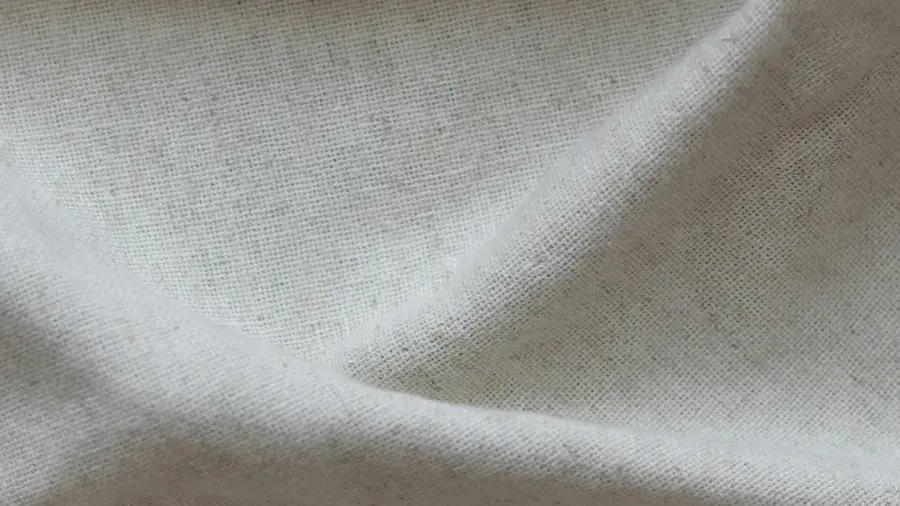
Bouclé's texture is a filing system for daily life. Whatever lands in the loops stays in the loops until a vacuum with an upholstery attachment pulls it back out. Liquids are the bigger problem. Blotting pushes a spill deeper into the pile, and rubbing frizzes the texture for good. What actually works: vacuum weekly, blot spills immediately with as little pressure as you can manage, and call a professional for anything oily or colored. Polyester bouclé forgives more than wool bouclé here, which is one genuine point in favor of the modern blends.
Linen is two different fabrics depending on how the piece is built. Fixed-upholstery linen needs the same careful spot-cleaning as any natural fiber, and untreated flax soaks up red wine like it has been waiting all evening for it. Slipcovered linen plays by different rules entirely. The cover comes off, goes in the machine on cold, and comes back softer than it left, because that is simply what washing does to flax. If your household produces regular spills, a slipcovered linen piece is not just the winner of this comparison. It might be the most practical upholstery arrangement that exists. For an existing chair, even a good washable slipcover gets you most of the way there, and it is about as kid-proof as "adult-looking" seating gets.
Pets: The Cat Question Settles It
If you live with a cat, this section is the whole article. To a cat, bouclé's looped surface is a full-body scratching post with excellent grip. A cat with zero destructive intent still snags loops just by walking across the seat or kneading before a nap. Every bouclé owner I know who also has a cat either keeps a throw permanently draped over the chair or talks about the chair in the past tense. Dogs treat bouclé more gently, since there is no kneading and the claws are blunter, but their shed hair settles into the loops and stays there until you vacuum it out.
Linen with pets is a negotiation you can actually win. A tight weave gives claws very little to hook into, so scratches tend to mark the surface rather than pull threads. Pet hair lifts off with a lint roller instead of taking up residence. And the slipcover advantage does double duty here: fur, mud, and the occasional accident all disappear in one wash cycle. If pets run your household, go with tight-weave or performance linen and skip bouclé entirely, or keep bouclé in the one room the cat has agreed not to enter. If you want the soft look without the daily worry, a flat-woven linen accent chair gives you most of the softness at a fraction of the risk.
Kids and Allergies: The Health Comparison
Start with allergies, because this is where the two fabrics really part ways. Linen is naturally hypoallergenic. Flax resists dust mites, dries fast enough that mildew never gets comfortable, and contains no animal proteins. For a household with asthma or dust-mite allergies, washable linen is about as good as upholstery gets, since a hot 60°C/140°F wash kills dust mites outright. No fixed-upholstery fabric can offer that.
Bouclé makes life harder for allergy sufferers in two separate ways. The loops trap dust, pollen, and pet dander deep in the pile where a casual vacuuming pass never reaches, so the chair slowly becomes an allergen reservoir. And if the bouclé is wool or a wool blend, lanolin sensitivity joins the list. That one is real for a minority of people, and it is worth checking the fiber content if anyone in your house reacts to wool sweaters. Polyester bouclé avoids the wool issue but keeps the dust-trap geometry. Whichever fabric you choose, this is also where the OEKO-TEX certification from the label section earns its keep: tested-safe dyes and finishes matter most on the furniture your family touches daily.
With kids the picture is simpler. Bouclé plus small children means crumbs in the loops, stains you cannot rub at, and velcro shoes that snag on contact. Fine for a parents-only reading chair. Miserable as the family sofa. Linen plus kids works on one condition: it has to be slipcovered or performance-treated, because fixed untreated linen in a toddler household becomes a diary of every snack. If you are furnishing a small family apartment where every piece has to earn its footprint, the same logic runs through my picks in best multifunctional furniture for small spaces: washability and durability first, trend second.

Which Interior Style Does Each Fabric Belong In
Linen is the native fabric of Japandi interior design and warm minimalism. That whole aesthetic is built on natural, breathable, honestly imperfect materials, and linen's relaxed wrinkle is that honesty made visible. It sits just as comfortably in coastal rooms, French country, and the quiet-luxury direction where texture whispers instead of announcing itself. If your saved images are full of light wood, wool rugs, and rooms that look inhaled rather than decorated, linen is your answer and you can stop deliberating. Not ready to commit to a whole sofa? A set of washed-linen cushion covers is the cheapest possible way to test whether the look works in your room before you spend more.
Bouclé belongs to the other current running through 2026: organic modern. Curved sofas, barrel chairs, rounded everything. On a curved silhouette, bouclé catches light the way flat weaves cannot, which is why nearly every trend-forward accent chair this year comes wrapped in it. It also works as the single soft counterpoint in a Scandi or mid-century room. What it refuses to do is play a supporting role. A bouclé piece is always the subject of the sentence. One cream barrel chair anchors a room. Three bouclé pieces and you are living in a flock, so keep it to a single statement seat.
The two fabrics also get along better than the "vs" in my title suggests. A linen sofa with one bouclé accent chair might be the single most 2026 combination there is: the daily workhorse in the durable fabric, the sculptural moment in the trending one. If you are choosing brands for the linen half, my Article vs Castlery vs West Elm comparison breaks down who does natural-fabric upholstery best, and several stores in my stores similar to IKEA guide now carry budget versions of both fabrics.
Price and Cost-Per-Year: My Usual Math
On Amazon the entry prices look almost identical. Bouclé accent chairs cluster around $150–400, linen and linen-blend chairs around $150–450, with true 100% flax at the top of that range and "linen-look" polyester filling out the bottom. If you want the trend without the splurge, a cream bouclé barrel accent chair delivers the look at the affordable end of that range. The real difference, though, is in the denominator. A tight-weave linen chair around $300 that still looks right in year six costs roughly $50 a year. A bouclé chair around $250 whose seat pills by year three costs roughly $83 a year. The "cheaper" chair costs more, and that is before you have replaced anything.
There is one case where bouclé's math works: low-traffic placement. A chair that gets sat in twice a week keeps its loops for many years, and the cost-per-year drops with every year it survives. Bouclé is not a bad fabric. It is a bad everyday fabric priced like a durable one.
A quick note on timing. Amazon fabric furniture discounts cluster around Prime Day and Black Friday, and swatches are cheap or free all year. Order the swatch while you wait for the sale, and run both tests before the discount talks you out of them.
The Verdict
After two years of owning linen and an amount of time prodding bouclé that my friends found concerning: linen for the furniture you live on, bouclé for the one piece you want the room remembered by. If you are buying one upholstered piece this year and it will see daily use, pets, or children, get linen. Tight weave, 20,000+ Martindale if the listing shows it, slipcovered if you can. If your daily seating is already handled and you want the update that changes the room most per dollar, get one bouclé accent chair, put it in a curve, and keep it off the cat's usual route.
Whichever way you go, order the swatch first. Crush the linen. Drag a key across the bouclé. Thirty seconds of testing beats three years of regret. That is more or less the entire philosophy of this site. If you're ready to put the linen argument into practice, the curtains section of my Pottery Barn dupes on Amazon guide shows exactly what I ordered.
FAQ
Is bouclé going out of style in 2026?
No. Bouclé is still central to the organic-modern direction that dominates 2026, with its curved and sculptural furniture. What is fading is the all-bouclé room of 2023 and 2024. The current way to wear the trend is one textural statement piece set against flatter fabrics like linen.
Is bouclé safe for cats?
Bouclé is one of the worst upholstery choices for a household with cats. The looped yarn snags on claws during ordinary walking and kneading, and pulled loops cannot be repaired invisibly. If you have a cat and love the texture, keep bouclé in a room the cat does not use, or choose a tight flat-weave linen instead.
Is linen upholstery hypoallergenic?
Yes. Linen is naturally hypoallergenic: flax resists dust mites, dries quickly enough to discourage mold, and contains no animal proteins. Slipcovered linen goes further, because covers washed at 60°C/140°F kill dust mites completely, which no fixed upholstery fabric can match.
What is a good Martindale rub count for a sofa?
For everyday family use, look for 15,000 to 25,000 rubs; for heavy daily use, pets, or kids, aim for 25,000 or more. Quality tight-weave upholstery linen typically tests between 20,000 and 40,000. If an Amazon listing shows no Martindale figure at all, treat the piece as light-duty regardless of how it is marketed.
Which is more durable, bouclé or linen?
Linen, in daily use. Flax fiber is stronger than cotton and most polyester at equal fabric weight, and linen softens rather than degrades as it ages. Bouclé's looped construction flattens and pills in high-friction zones like the seat and armrests within two to three years of daily use, though it holds up well on occasional-use pieces.
Is a bouclé sofa worth it?
Usually not as your only sofa. The loops wear visibly where people actually sit, they trap crumbs, hair, and dust, and most bouclé sofas come in light colors that show all of it. A bouclé accent chair delivers the same trend impact with a fraction of the wear exposure, at a third of the price.
Love our ideas? Let's bring them into your home. WarmCazza now designs rooms like this, remotely: your own concept, layout and shopping list. Explore E-Design →
About Nina Sajaia
Nina Sajaia is the founder of WarmCazza and has been writing about interiors, slow living, and the psychology of home since 2021. Her work on Japandi and Warm Minimalism has been shared across interior design communities in Europe and the US. She lives in a 625 sq ft apartment with a linen sofa she defends like family, and a bouclé opinion she tested so you don't have to.
Last updated: July 2026. All prices reflect current US retail. All linked products ship across the contiguous United States.
© WarmCazza - All Rights Reserved.


Comments