
Why Natural Materials Are Taking Over Kitchens 2026
Updated: Sep 16
By Guilherme Dantas | Moelle Collection
For the past decades, the modern kitchen was defined by sleek surfaces, glossy finishes, and materials designed to appear almost invisible. Stainless steel and polished plastics reflected an era that valued efficiency above all else.
Today, a different aesthetic is emerging. Designers and homeowners are embracing kitchens that feel warmer, more tactile, and more connected to nature and everyday life. At the center of this shift is wood, a material that has been part of human craftsmanship for centuries but is now finding renewed relevance in contemporary interiors.
It is worth questioning why, in an age of advanced synthetic materials, so many people are choosing to bring natural materials back into the heart of their homes.

A Return to Authenticity
Much of today's interior design is moving away from excess and toward simplicity. Scandinavian and Japandi aesthetics, in particular, have popularized spaces defined by clean lines and muted palettes.
Within this philosophy, wood represents the core of this style. It introduces texture, depth, and a sense of belonging that artificial materials often struggle to replicate. No two pieces are exactly alike, and those subtle differences make a space feel personal rather than standardized.
Why natural materials kitchen Feels Different
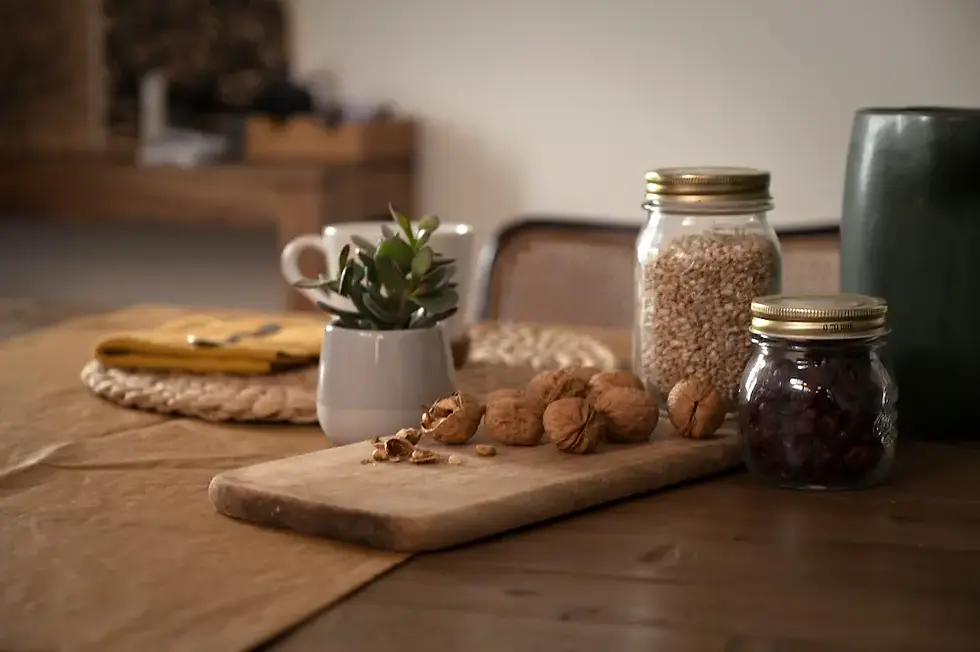
There is an immediate sensory quality to natural wood that is difficult to imitate. It feels warm under the hand, reveals unique grain patterns, and, unlike most other materials, develops a richer appearance as it ages.
A wooden cutting board or utensil carries small marks from years of use, gradually telling the story of countless meals prepared and shared. Instead of appearing worn out, it becomes more settled and familiar.
By contrast, many synthetic materials remain unchanged until they suddenly show scratches, discoloration, or signs of deterioration that cannot be repaired.
Practical Benefits Beyond Appearance
The appeal of wood is not purely aesthetic. Properly selected hardwoods offer practical advantages that have made them reliable kitchen materials for generations.
Dense woods such as teak are naturally durable and resistant to moisture when cared for correctly. Wooden cutting boards are also gentler on knife edges than glass or stone surfaces, helping preserve sharpness over time. Well-made wooden utensils remain comfortable to hold, even during long periods of cooking, and don't transfer heat the way metal tools can.
Perhaps most importantly, quality wood tends to reward maintenance. A little care goes a long way, allowing a single object to remain functional and attractive for many years.
Sustainability Through Longevity
As sustainability becomes an increasingly important consideration, many consumers are paying closer attention not only to where materials come from, but also to how long they last.
Responsibly sourced or repurposed wood offers an opportunity to extend the life of valuable natural resources while reducing unnecessary waste. Certifications such as FSC help promote responsible forestry practices, ensuring that forests continue to regenerate for future generations.
Longevity itself is another important part of sustainable design. An object that serves its purpose for decades has a lower environmental impact than one that requires frequent replacement, regardless of the material from which it is made.
The Growing Presence of Wood in Kitchenware
This renewed appreciation for natural materials is increasingly visible in everyday kitchen objects. Cutting boards, pepper grinders, knife handles, serving trays, and utensils made from wood - such as those from Moelle Collection - contribute both functionally and visually to the overall atmosphere of the space.
Their textures soften modern interiors and pair naturally with stone, ceramic, and neutral colour palettes commonly found in Scandinavian and Japandi homes. The result is a kitchen that feels like an extension of the living environment.

Designing for Everyday Warmth
The renewed interest in wood reflects a broader change in how many people think about the home. Kitchens are no longer viewed only as places to prepare meals, but as spaces where daily rituals unfold and meaningful moments are shared.
Another factor behind this shift is the way we live today. With housing becoming more expensive, it is increasingly common for the kitchen and dining room to share the same space, whereas in the past they were more often separate rooms. As a result, the kitchen is no longer just a place for preparation, but it also needs to hold aesthetic value and feel comfortable to be around for longer periods of time.
Natural materials support that experience in subtle ways. Their texture, warmth, and longevity encourage a slower, more intentional relationship with the objects we use every day. In doing so, they remind us that thoughtful design is not only about how a space looks, but also about how it feels to live in it.
Frequently Asked Questions
Why is wood becoming popular again in modern kitchens?
Wood introduces warmth, texture, and authenticity into spaces that have often been dominated by synthetic materials. It also aligns with growing interest in timeless design and sustainable choices.
Is wood durable enough for everyday kitchen use?
Yes. Hardwoods such as teak are known for their resilience and can withstand daily use when properly maintained. Regular care helps preserve both their appearance and performance.
How does wood fit into Scandinavian and Japandi design?
Both styles emphasize natural materials, restrained palettes, and lasting quality. Wood complements these principles by adding organic texture and subtle visual interest without overwhelming the space.
Is wooden kitchenware a sustainable choice?
When responsibly sourced or made from repurposed materials, wooden kitchenware can be an environmentally conscious option. Its long lifespan also reduces the need for frequent replacement.
Does wood require a lot of maintenance?
Not necessarily. Most wooden kitchen items simply benefit from hand washing, drying, and occasional treatment with food-safe oils or waxes to maintain their condition over time. About the Author
Guilherme Dantas works as a writer and trend researcher with Moelle, a Copenhagen-based kitchenware brand rooted in Scandinavian design and sustainability, focusing on intentional living through everyday tools.
Comments